The 2026 federal-state enforcement initiative includes several Arizona criminal cases alleging unauthorized cosmetic procedures, injectable services, and prescription drug violations detailed in the DOJ’s published case summaries.
Published Case Summaries Highlight Allegations Involving Aesthetic Services
On June 23, 2026, the U.S. Department of Justice released case summaries as part of its 2026 National Health Care Fraud Takedown, a coordinated federal-state enforcement initiative involving health care fraud investigations across the United States. Four Arizona cases included in the published summaries involve allegations related to cosmetic procedures, injectable services, and prescription-only medications. Collectively, the cases address compliance topics that intersect with cosmetic medical services, including provider licensure, medical oversight, and prescription medication practices.
Arizona Criminal Cases Detail Allegations Involving Cosmetic Procedures and Injectables
Each year, the Department of Justice’s National Health Care Fraud Takedown publishes case summaries highlighting criminal matters brought through coordinated federal and state enforcement efforts. Among the 2026 compilation summaries, four Arizona cases involve allegations related to cosmetic procedures, injectable services, and prescription-only medications. While the cases involve separate defendants, businesses, and alleged conduct, they collectively reflect compliance and oversight topics that appear in cosmetic medical services.
The published summaries and related court filings describe allegations involving:
- Unauthorized cosmetic procedures: Court documents filed in the Michelle Renee Alderman case allege she provided facial lip filler services without the professional licensure required to perform those procedures.
- Injectable services and professional licensure: Court documents filed in the Brandi Lee Dees case allege she, as a non-licensed individual, provided Botox, lip filler, and other dermal injectable procedures, possessed prescription-only drugs, and used fillers that were not approved by the FDA.
- Prescription medications and product labeling: The Slimming Grace indictment alleges that tirzepatide was administered without valid consultations or prescriptions. It also includes allegations involving patient identities used for prescription orders, altered medication labels, misbranded drugs, and syringes filled with unlabeled prescription-only medications.
- Professional licensure and cosmetic procedures: The Edgar Z. Torres indictment alleges that he performed cosmetic medical procedures without the necessary licenses or medical credentials. The DOJ summary also alleges that he used another person’s identity and possessed prescription-only medications for sale.
Recent enforcement actions have also involved allegations related to cosmetic injectables, professional licensure, and billing practices. The Houston Med Spa Lip Injection Licensing Charge examined allegations involving unlicensed cosmetic injection services in Texas, while California Medicare Botox Billing Fraud Conviction detailed a federal Medicare fraud prosecution involving Botox billing and reimbursement.
Source: Annual DOJ Case Summaries and Case Indictments
According to the U.S. Department of Justice’s 2026 National Health Care Fraud Takedown case summaries and related criminal complaints and indictments, the annual compilation includes cases involving cosmetic procedures, injectable services, and prescription-only medications.
Arizona Case Summaries Highlight Compliance Topics in Cosmetic Medical Services
In the Department of Justice’s 2026 National Health Care Fraud Takedown, the Arizona matters include allegations involving both cosmetic injectable procedures and prescription medications used in aesthetic and wellness services. The published summaries identify allegations related to facial lip filler procedures, Botox, dermal injectables, tirzepatide, and other prescription-only medications across four separate criminal matters.
The cases span several compliance topics commonly encountered in aesthetic medicine, including:
- Practitioner authority governing who may lawfully perform cosmetic medical procedures and administer injectable treatments.
- Prescription-only medications used in aesthetic and wellness services, including allegations involving Botox, dermal fillers, lip fillers, and tirzepatide.
- FDA-regulated products, including allegations involving non-FDA-approved fillers and product labeling requirements.
- Prescription documentation and fraud-related conduct, including allegations involving identity theft, altered labels, and misbranded drugs.
Questions involving FDA-regulated products have also appeared in other recent federal enforcement matters affecting aesthetic medicine. A Utah physician indictment involving non-FDA-approved peptides included allegations related to peptide products marketed for medical and wellness use, adding another example of federal scrutiny involving product sourcing and FDA requirements.
Practical Implications for Arizona Med Spa and Aesthetic Practices
- Confirm practitioner authority and applicable licensure before cosmetic procedures and injectable services are performed under Arizona law.
- Verify product sourcing for injectable products and prescription-only medications, including GLP-1s, before they enter clinical use.
- Review prescribing and dispensing processes for compliance with applicable Arizona and federal requirements.
- Present practitioner credentials and available services accurately across websites, advertising, and patient communications.
- Maintain records that support patient care, product traceability, and prescription requirements.
What to Watch Next
Additional court filings and announcements from the U.S. Department of Justice, the Arizona Attorney General’s Office, and Arizona courts may provide further information regarding the allegations in these cases. Future developments may also provide additional information regarding any related federal or state regulatory or enforcement actions.
About Spakinect
Spakinect provides compliance infrastructure and telehealth-supported supervision solutions for medical aesthetic practices. For additional information, see our website.
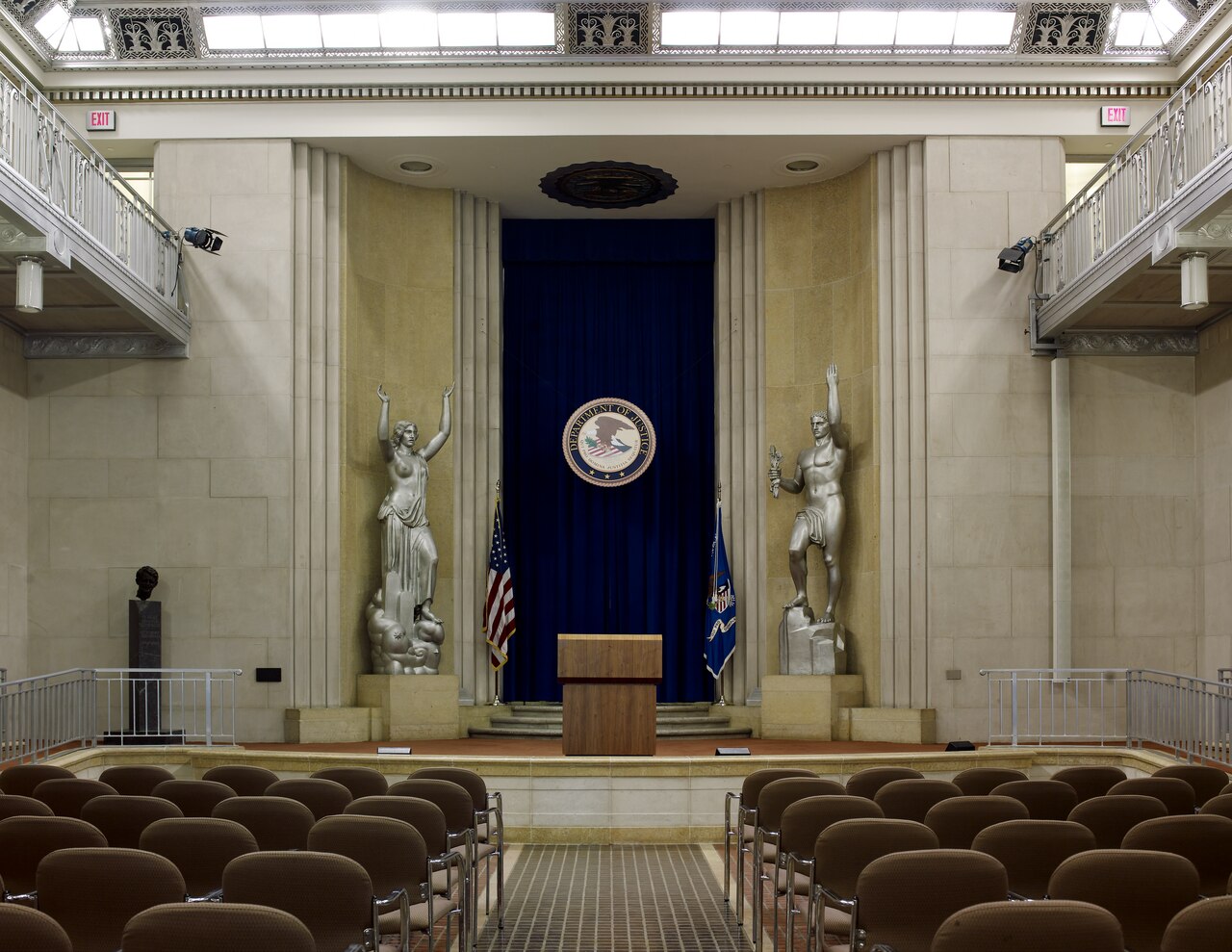
Image Attribution: Two sculptures “Spirit of Justice” and “Majesty of the Law,” Great Hall, Department of Justice, Washington, D.C. by Carol M. Highsmith, Public Domain, via Wikimedia Commons.