

A federal jury convicted Glendale physician Violetta Mailyan in a Medicare Botox billing case announced by the DOJ on May 19, 2026, involving cosmetic services, medical-necessity claims, and altered patient records.
California Physician Convicted After Federal Botox Medicare Billing Case
On May 19, 2026, the U.S. Department of Justice announced the federal conviction of California physician Violetta Mailyan in a Medicare Botox billing case. The DOJ said the case involved a reported $45 million scheme in which Mailyan falsely diagnosed Medicare beneficiaries, altered medical records, and attempted to mislead criminal investigators. For Med Spa and aesthetic practices that offer neuromodulators, the case centers on documentation, billing, cosmetic-use distinctions, and the federal review of allegedly fraudulent Botox claims.
DOJ Details Botox Billing Claims, False Diagnoses, and Altered Records
Mailyan owned and operated Healthy Way Medical Center in Glendale, California, which the DOJ described as a clinic that offered beauty and cosmetic services. In its May 19, 2026, press release, DOJ said Medicare reimburses Botox injections when they are medically necessary for documented chronic migraine treatment. In this fraud case, prosecutors presented trial evidence that claims were submitted for services that were cosmetic, medically unnecessary, unsupported, or not provided.
The DOJ outlined trial evidence, including several billing and records issues:
- Location and timing: DOJ said Mailyan billed Medicare for Botox injections on dates when travel records placed her away from the Glendale clinic, including locations in Mexico, Hawaii, Nevada, Pennsylvania, and New York.
- Clinic closure dates: Prosecutors identified more than $19 million in claims were tied to thousands of Botox injections allegedly provided on days when the Healthy Way Medical Center was closed.
- Patient availability: DOJ reported one claim involved a Medicare beneficiary who was incarcerated in federal prison at the time of the alleged injection service.
- Appointment records: Prosecutors said some claims were backdated to alleged appoinments before patients had ever contacted the clinic to request visits.
- Records and diagnoses: DOJ said patient medical records, including consent forms, were fabricated or altered to make it appear that patients had chronic migraines and received Botox treatment in the office.
As stated in the press release, the jury convicted the California physician of nine counts of wire fraud and three counts of obstruction of a criminal investigation of a health care offense. DOJ said the obstruction evidence involved altered records provided after a grand jury subpoena requested medical records. After the conviction, the jury also found that vehicles, bank funds, brokerage accounts, and California properties were subject to forfeiture as proceeds of fraud.
DOJ Press Release
According to a May 19, 2026 press release from the U.S. Department of Justice, a federal jury convicted Glendale physician Violetta Mailyan of nine wire-fraud counts and three obstruction counts in a Medicare Botox billing case investigated by the FBI and HHS-OIG. Mailyan is scheduled for sentencing on September 10, 2026.
Medicare Botox Fraud Case Places Medical Necessity Records in Focus
This Medicare fraud case places attention on the physician’s documentation, diagnosis records, and billing practices. For Med Spa and aesthetic service providers, the compliance context may apply where Botox administration intersects with medical billing, patient records, and provider oversight.
Under Medicare rules, botulinum toxin injections may be covered for specific medical conditions, including chronic migraine, as stated in the press release. The CMS and Noridian billing article for California states that cosmetic use of botulinum toxin is statutorily non-covered. For covered treatment, the diagnosis code must describe the patient’s condition, and the medical record must support medical necessity with relevant history, examination findings, covered diagnosis, dosage, injection site, injection frequency, and treatment effectiveness.
The DOJ case connects those billing requirements to the distinction between Botox used for documented medical treatment and Botox used for cosmetic purposes. Documentation and clinical-record concerns also appear in board-level actions, including an Iowa nursing license suspension involving a former health spa ARNP that addressed alleged violations involving documentation, drug administration, and controlled substances.
For operators outside Medicare billing, injectable-service risk can still arise through advertising, credentials, and performance of Botox or filler services, as shown in an Arizona unlicensed cosmetic injection case. In California, operators that bill Botox services to Medicare are subject to diagnosis-code, medical-necessity, and patient-record requirements. Provider oversight also applies when Botox is submitted as medical treatment rather than cosmetic care.
Medicare Botox Billing Implications in California Med Spa Operations
- Separate cosmetic Botox services from botulinum toxin services submitted as medical treatment through Medicare or another insurance program.
- Align each medical-use Botox claim with the documented diagnosis, treatment indication, dosage, injection site, and service date.
- Reconcile appointment schedules, clinic operating days, and provider availability with billing records for Botox services.
- Maintain clinical notes, consent forms, referral details, and treatment records according to the billing pathway used for the service.
- Distinguish patient-paid cosmetic Botox services from covered medical indications before claims are submitted.
- Account for California provider oversight when Botox services are administered in a Med Spa or aesthetic practice setting.
- Confirm that Medicare-billed botulinum toxin services match a covered indication and the required medical-necessity documentation.
What to Watch Next for Medicare Botox Billing
Mailyan is scheduled for sentencing on September 10, 2026, according to the DOJ. Further sentencing filings and records may provide context for Med Spa operators and aesthetic providers who bill Botox as a medical treatment, maintain medical-necessity records, or separate cosmetic neuromodulator services from Medicare claims. Medicare guidance also remains relevant for coverage, coding, and documentation rules that may apply to botulinum toxin injection services offered in medical or aesthetic clinic settings.
About Spakinect
Spakinect provides compliance infrastructure and telehealth-supported supervision solutions for medical aesthetic practices. For additional information, see our website.
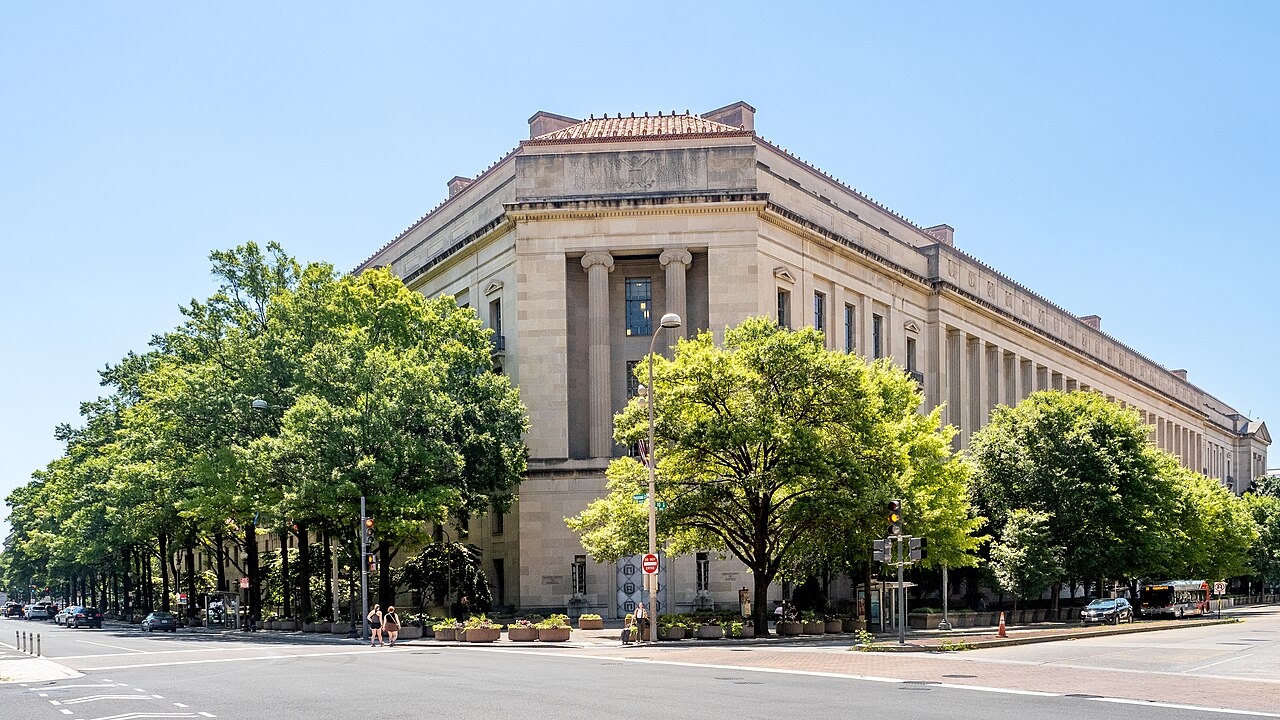
Image Attribution: “U.S. Department of Justice (DOJ)” by ajay_suresh, via Wikimedia Commons, licensed under CC BY 2.0.