CMS and FDA’s new RAPID coverage pathway targets certain Breakthrough Devices for serious medical conditions — a separate regulatory category from most aesthetic and Med Spa technologies.
Coordinated Medicare Device Coverage Process Announced by CMS and FDA
On April 23, 2026, the Centers for Medicare & Medicaid Services and U.S. Food and Drug Administration announced the Regulatory Alignment for Predictable and Immediate Device (RAPID) coverage pathway, a federal initiative intended to coordinate Medicare coverage review for certain FDA-designated Breakthrough Devices. According to the agencies, the pathway is designed to reduce delays between FDA market authorization and Medicare national coverage determinations for eligible Class II and Class III medical devices. The announcement involves a category of medical technologies distinct from many FDA-cleared devices commonly used in Med Spa and aesthetic practice settings.
RAPID Pathway Coverage Process for Devices Under CMS and FDA
As announced on April 23, 2026, by the Centers for Medicare & Medicaid Services and the U.S. Food and Drug Administration, the RAPID pathway is a coordinated federal process intended to accelerate Medicare coverage review for certain FDA-designated Breakthrough Devices. According to the agencies, the pathway is designed to align FDA market authorization and Medicare National Coverage Determination (NCD) review timelines for eligible Class II and Class III medical devices.
The RAPID pathway applies only to certain FDA-designated Breakthrough Devices. According to the FDA, the Breakthrough Devices Program is intended for medical devices and device-led combination products that may provide more effective treatment or diagnosis for life-threatening or irreversibly debilitating diseases or conditions.
The FDA states that devices receiving Breakthrough Device designation remain subject to FDA review requirements for safety and effectiveness before marketing authorization is granted. This designation is separate from standard FDA clearance and approval pathways commonly associated with many Class I and Class II technologies used in aesthetic, dermatology, dental, plastic surgery, and Med Spa practice settings.
Technologies commonly integrated into provider-operated aesthetic and wellness models may include energy-based systems, body contouring platforms, laser devices, and other FDA-cleared treatment technologies that typically operate through traditional device-authorization pathways, such as 510(k) clearance.
For Med Spa models operating alongside preventive care, wellness, dermatology, dental, or other provider-led specialties, the RAPID announcement is separate from FDA device marketing requirements and state scope-of-practice standards applicable to aesthetic treatment technologies. The agencies did not identify elective cosmetic devices or routine Med Spa procedures as eligible under the Breakthrough Devices Program or the RAPID pathway.
Source Attribution
According to an April 23, 2026, press release issued jointly by the Centers for Medicare & Medicaid Services and U.S. Food and Drug Administration, the RAPID pathway was announced as a coordinated federal process intended to accelerate Medicare coverage review for certain FDA-designated Breakthrough Devices.
Compliance Context for Device-Based Aesthetic and Wellness Practice Models
The RAPID pathway involves Medicare coverage review for certain FDA-designated Breakthrough Devices intended for serious or debilitating medical conditions. As reported by the FDA, this designation is a separate regulatory category from traditional FDA device authorization pathways commonly associated with many Class I and Class II technologies used in aesthetic, dermatology, dental, plastic surgery, wellness, and Med Spa practice settings.
The FDA also maintains guidance regarding aesthetic devices regulated as medical devices, including body contouring technologies, FDA-approved dermal fillers, and microneedling devices. The joint CMS and FDA announcement provides additional context regarding Medicare coverage processes involving FDA-regulated medical technologies used across provider-operated healthcare settings.
FDA oversight for medical devices remains separate from state laws governing professional licensure, supervision, delegation, scope of practice, and advertising requirements applicable to physician-led and provider-operated aesthetic practices. In March 2026, the FDA issued 30 warning letters to telehealth companies regarding compounded GLP-1 marketing claims the agency said were false or misleading, reflecting broader federal scrutiny involving regulated healthcare advertising and wellness-related clinical services.
Regulatory agencies have also continued to address provider eligibility and cosmetic procedure standards for aesthetic services. In March 2026, the Virginia Board of Dentistry filed final regulations establishing training requirements for dentists administering cosmetic botulinum toxin and certification-based scope limits for oral and maxillofacial surgeons, with the rule expected to take effect on May 20, 2026. This reflects continued state-level oversight involving provider qualifications and aesthetic treatment standards in healthcare-adjacent practice models.
Practical Implications for Med Spa Operators
For Med Spa operators and provider-led aesthetic models, operational considerations may include:
- Review how device-based technologies used within your practice are classified and authorized by the FDA.
- Strengthen intake, consent, and clinical evaluation workflows for device-based aesthetic and wellness services.
- Confirm that marketing materials accurately reflect FDA-cleared indications and device authorization status for aesthetic technologies and wellness services.
- Maintain documentation related to manufacturer labeling, provider training, and device-specific treatment protocols.
- Evaluate state requirements involving supervision, delegation, scope of practice, and provider eligibility for aesthetic procedures involving FDA-regulated technologies.
- Monitor ongoing federal and state developments involving medical device oversight, Medicare-related healthcare initiatives, and regulated treatment marketing.
What to Watch Next
In the April 23, 2026, press release, CMS and FDA outlined that additional procedural details for the RAPID pathway will be released through an upcoming Federal Register notice and public comment process. Further agency guidance may provide additional information regarding eligibility standards, Medicare coverage timelines, implementation procedures, and reimbursement processes for FDA-designated Breakthrough Devices. As of this reporting, aesthetic and wellness technologies commonly used in Med Spa practice settings remain subject to existing FDA device authorization, marketing, coverage and reimbursement, and provider oversight requirements.
About Spakinect
Spakinect provides compliance infrastructure and telehealth-supported supervision solutions for medical aesthetic practices. For additional information, see our website.
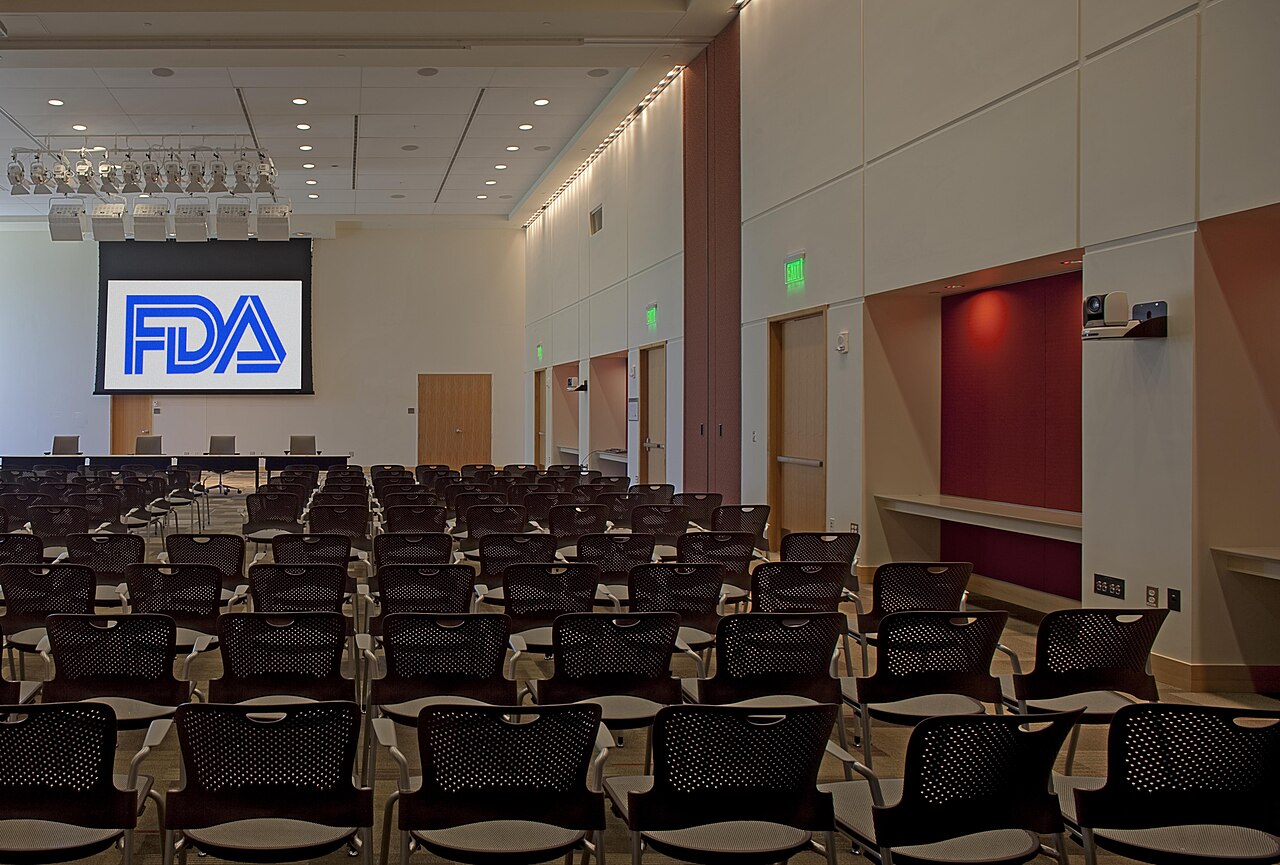
Image Attribution: “FDA Bldg 31 – Great Room” by The U.S. Food and Drug Administration, via Wikimedia Commons, licensed under Public Domain.