

If enacted, September 2026 draft legislation in Utah would define Med Spas, require patient evaluations and treatment plans, and set different supervision standards for cosmetic and wellness injections.
Utah Lawmakers Review 2027 Med Spa Proposal
On September 16, 2026, Utah lawmakers reviewed draft legislation that would revise scope and oversight requirements for Med Spas. For Med Spa operators, the proposal would establish who may perform cosmetic and wellness services, how those services are supervised, and what patient evaluation and treatment-planning steps are required if enacted.
Key Requirements in Utah’s Draft Med Spa Legislation
The proposal would create separate requirements for minor cosmetic medical procedures, cosmetic injections, and wellness injections, with provider and supervision standards tied to each category. If enacted, the provisions would apply to facilities offering minor cosmetic medical procedures, cosmetic injections, or wellness injections.
Key proposed requirements include:
- Defines Med Spas and practitioner roles: A Med Spa would be a facility offering minor cosmetic medical procedures, cosmetic injections, or wellness injections. The proposal would also define responsible, qualified cosmetic practitioners, including licensing and competency requirements.
- Sets who may perform delegated services: Physicians, APRNs, and qualifying PAs could serve as responsible cosmetic medical practitioners. RNs, LPNs, and master estheticians could perform certain minor cosmetic procedures under supervision, while only RNs could receive delegation for cosmetic or wellness injections.
- Creates different supervision levels by service: RNs performing cosmetic injections would require general supervision, including a responsible practitioner within 60 minutes or 60 miles. Wellness injections would require the responsible practitioner to be present within the Med Spa. LPNs performing minor cosmetic procedures would require direct supervision.
- Requires patient evaluation and treatment planning: Before most delegated services, the responsible practitioner would evaluate the patient in person or by telehealth, create a patient-specific treatment plan, establish emergency protocols, and confirm practitioner competency. Hair removal has a limited evaluation exception.
- Limits compounding: Pharmacists and physicians could compound medications, while APRNs and PAs would be limited to immediate-use compounding involving three or fewer sterile products, with the compound administered within four hours of starting preparation.
The draft incorporates recommendations presented by the Office of Professional Licensure Review (OPLR) addressing unclear Med Spa scope, medical-director oversight, and instances of patient harm related to non-pharmacist compounding. The proposal remains draft legislation for the 2027 General Session and lists May 5, 2027, as its effective date if enacted.
Source Attribution: Utah OPLR and Draft Legislation
According to the Utah OPLR’s September 16, 2026 presentation, the review recommended changes to Med Spa scope, delegation, and supervision. The Business and Labor Interim Committee also considered draft 2027 legislation titled Health Care Services Amendments, which incorporates many of those recommendations into proposed statutory language.
Compliance Context for Utah Med Spa Operators
Utah currently regulates cosmetic medical procedures through state licensing laws administered by the Division of Professional Licensing (DOPL), including requirements for practitioner qualifications, treatment planning, delegation, and supervision. An April 2026 industry article reported that 36 states had no identified laws or regulations specific to Med Spas, while Utah was among 12 states with Med Spa-specific provisions.
The September 2026 Health Care Services Amendments draft would repeal several existing cosmetic-procedure provisions and enact a new section specifically governing Med Spas. The proposal would separate covered services into minor cosmetic medical procedures, cosmetic injections, and wellness injections, with practitioner and supervision requirements assigned to each category. It would also repeal existing physician and osteopathic physician provisions governing delegation of certain ablative cosmetic procedures and enact proposed Section 58-1-607 for Med Spa services.
Additional compliance provisions would cover:
- Med Spa naming and advertising
- Practitioner education, training, and competency
- Emergency protocols
- DOPL rulemaking on supervision
- Unprofessional conduct standards
- Compounding scope and professional standards
The September 2026 Health Care Services Amendments draft would repeal several existing cosmetic-procedure provisions and enact a new Med Spa-specific section.
The draft also addresses compounding separately, including who may compound and the conditions for immediate-use preparation. Other states have recently enacted Med Spa legislation addressing medication preparation, including Indiana Senate Bill 282.
Utah’s current requirements remain in effect unless the draft legislation is enacted during the 2027 General Session.
Practical Implications for Utah Med Spas
If enacted, the proposal could apply to several Med Spa operational areas:
- Review service offerings against the proposed categories for minor cosmetic medical procedures, cosmetic injections, and wellness injections.
- Verify practitioner licensing, training, and competency requirements for delegated services.
- Compare current supervision arrangements with the proposed requirements for each service category.
- Confirm patient evaluation, treatment planning, and emergency protocol requirements for covered services.
- Assess Med Spa advertising, compounding, and medication preparation requirements under the proposal.
What to Watch Next
The Health Care Services Amendments proposal remains draft legislation for Utah’s 2027 General Session. If enacted, the draft lists May 5, 2027, as the effective date.
About Spakinect
Spakinect provides compliance infrastructure and telehealth-supported supervision solutions for medical aesthetic practices. For additional information, see our website.
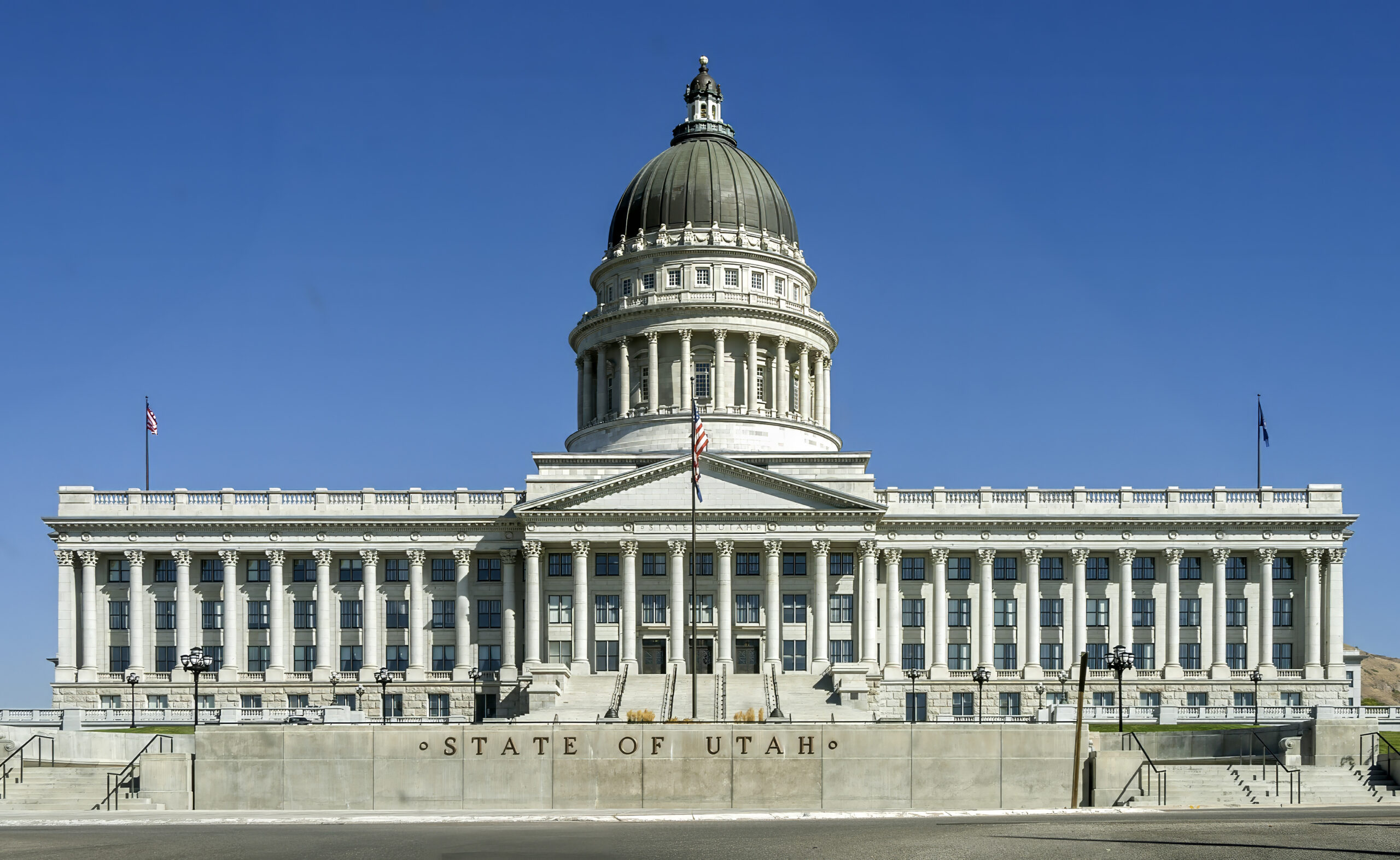
Image Attribution: “Utah State Capitol UT1” by Acroterion, via Wikimedia Commons, licensed under CC BY-SA 4.0.