
The CDC’s October 8 report documents neurological symptoms in three patients, improper medication preparation, single-dose vial reuse, and a public health order requiring a Colorado Med Spa provider to discontinue unapproved botulinum toxin products.
Colorado Investigation Documents Unapproved Botulinum Toxin Use
An October 8, 2026, CDC report details a Colorado investigation involving three patients who experienced neurological symptoms after receiving injections of an unapproved botulinum neurotoxin (BoNT) product at a Med Spa. Investigators also identified improper medication-handling practices, highlighting product sourcing, preparation, and storage considerations for aesthetic injectable treatments.
CDC Investigation Documents Patient Symptoms and Medication Handling Findings
Oruganti et al. (2026) reported that Rocky Mountain Poison and Drug Safety alerted Colorado public health authorities in January 2026 after a patient developed symptoms following botulinum neurotoxin (BoNT) injections administered by a licensed Med Spa provider.
The Colorado Department of Public Health and Environment (CDPHE), collaborating with the CDC, the FDA, and local health officials, investigated the facility. The report did not identify the Med Spa by name.
Three Patients Reported Neurological Symptoms
CDPHE surveyed 52 patients who received BoNT injections between December 2025 and January 2026. Of the 27 respondents, two additional women reported symptoms.
All three symptomatic patients received injections from the same lot of a BoNT product approved in other countries but not in the United States. None knew the product lacked FDA approval.
Reported symptoms included blurred vision, voice changes, muscle weakness, numbness, tingling, and difficulty breathing. One patient sought outpatient medical care, and all three recovered without hospitalization.
Facility Assessment Identifies Improper Medication Handling
Investigators found FDA-approved and unapproved BoNT products at the facility. The provider reported purchasing the unapproved products through an online supplier.
The assessment documented several medication preparation and storage practices:
- Inappropriate use of a preservative-containing diluent
- Single-dose vials used for multiple patients
- Inadequate medication temperature monitoring
- Reconstituted and unlabeled products used beyond their beyond-use dates
The administered lot was unavailable for testing. CDC testing of a different lot detected active BoNT type A without elevated toxin levels or contaminants. Investigators did not establish a definitive cause of the patients’ symptoms.
The CDC reported that a public health order required the provider to stop using the unapproved products immediately and that it submitted a formal licensing complaint to the Colorado Department of Regulatory Agencies. After the investigation began, the provider reported discontinuing their use.
Source Attribution
According to Oruganti et al. (2026), the Colorado investigation included patient follow-up, a facility assessment, and laboratory testing. Their report, “Notes from the Field: Investigation of Unapproved Botulinum Toxin Product Administered at a Medical Spa — Colorado, 2025–2026,” was published October 8, 2026, in the CDC’s Morbidity and Mortality Weekly Report (Vol. 75, pp. 597–599) and is available under DOI 10.15585/mmwr.mm7539a2.
DISCOVER YOUR MED SPA’S GROWTH POTENTIAL
How much time and revenue could you unlock by outsourcing your GFEs?
Use our GFE Calculator to find out in under 5 minutes. It’s quick, easy, and tailored to your Med Spa.
Compliance Context for Botulinum Toxin Sourcing and Injection Safety
The Colorado investigation examined the products administered at the Med Spa alongside the facility’s medication preparation and storage practices. The FDA’s Know Your Source guidance addresses prescription drug purchasing through state-licensed suppliers, while the CDC’s injection safety guidance specifies that single-dose vials are intended for use with one patient.
The investigation documented findings involving several areas of Med Spa compliance, including:
- Product Sourcing: FDA approval status and supplier verification
- Medication Preparation: Diluent selection and single-dose vial use
- Storage and Handling: Temperature monitoring, labeling, and beyond-use dates
Federal enforcement has also addressed the distribution of unapproved aesthetic products in a different case. A Virginia case involving unapproved botulinum toxin and cosmetic devices resulted in a guilty plea to federal charges for products marketed for cosmetic use.
The CDC’s Colorado Med Spa investigation documented the use of an unapproved botulinum toxin product and improper medication-handling practices.
At the state level, a Connecticut nursing board case involving Med Spa infection control and supervision included allegations concerning medication refrigeration, temperature monitoring, expired medications, and clinical documentation. Unlike the Colorado investigation, the Connecticut proceeding involved nursing practice and provider oversight requirements.
For Med Spa and aesthetic operators, the Colorado report provides a documented example of how product testing, facility assessments, and patient follow-up can form part of a public health investigation involving aesthetic injectable treatments.
Practical Implications for Med Spa and Aesthetic Operators
- Assess FDA approval status and supplier licensing for botulinum toxin products purchased for clinical use.
- Maintain purchasing records, product lot numbers, and patient administration documentation to support product traceability.
- Follow manufacturer instructions for medication reconstitution, diluent selection, and single-dose vial restrictions.
- Document medication storage temperatures, preparation dates, labeling, and beyond-use dates for reconstituted products.
- Review procedures for reporting suspected adverse reactions through the FDA’s MedWatch program.
What to Watch Next
Further updates from the Colorado Department of Regulatory Agencies may clarify the outcome of the licensing complaint submitted following the investigation. For Med Spa and aesthetic operators, any subsequent regulatory findings could provide additional insight into state oversight of injectable product sourcing and medication-handling practices.
About Spakinect
Spakinect provides compliance infrastructure and telehealth-supported supervision solutions for medical aesthetic practices. For additional information, see our website.
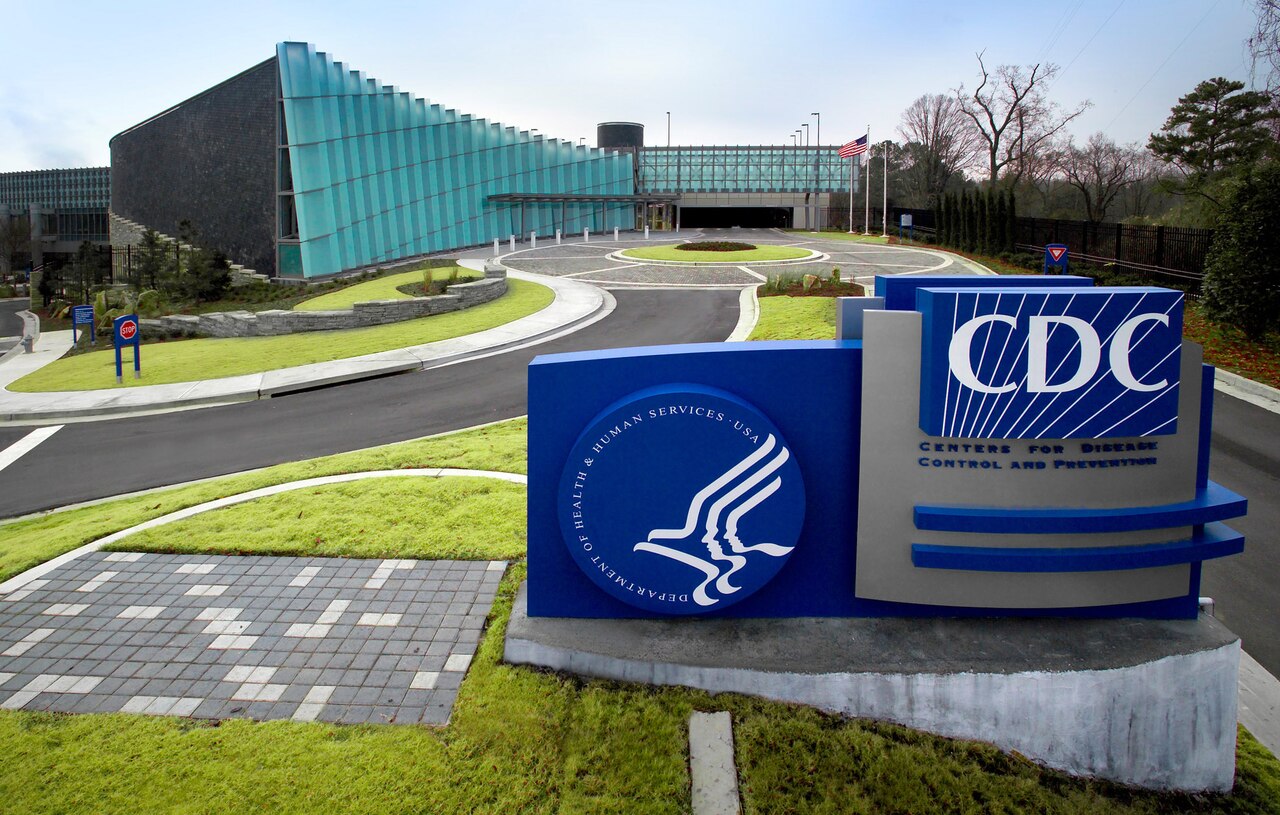
Image Attribution: “Tom Harkin Global Communications Center” by James Gathany, Centers for Disease Control and Prevention, via Wikimedia Commons, public domain.