

A July 2026 research letter in JMIR Dermatology documented increased U.S. interest in several sun-protection search terms and higher information-quality and viewer-experience scores for physician-created TikTok videos than for nonphysician content.
Study Details Sun Protection Search Trends and TikTok Information Quality
Published July 23, 2026, in JMIR Dermatology, Bhala et al. (2026) examined public interest in sun-protection topics and the quality of related TikTok health content. The findings showed rising U.S. interest in several search terms and higher quality scores for physician-created videos. The study provides industry research for dermatology, Med Spa, aesthetic, and related practices involved in patient-facing skin health and sun-protection discussions.
Key Findings on Google Trends, Misinformation, and Dermatologic Health Information on TikTok
Bhala et al. (2026) used Google search data from 2020 through 2025 to evaluate changes in public interest around sun protection. In the United States, the largest increases appeared among anti-sun-protection terms in Google search volume.
Anti-sun-protection search terms:
“Sunscreen toxic” — increased 5.1-fold
“Natural sunscreen” — increased 1.78-fold
Neutral search terms:
“UV levels” — increased 2.9-fold
“Sun exposure” — increased 1.73-fold
By comparison, the pro-sun-protection terms showed smaller increases:
“UV harmful” — increased 1.6-fold
“Sunblock” — increased 1.34-fold
The study also reviewed 90 TikTok videos, evaluating the top 30 for each of the search terms “sun exposure,” “sunscreen toxic,” and “sunblock.” Physician-created videos received higher DISCERN scores for information quality and reliability and higher Armstrong Viewer Assessment (AVA) scores for viewer experience and educational value.
Engagement was measured separately through likes, comments, and shares relative to TikTok views. Physician-created videos, though fewer, scored higher for information quality and viewer experience, but engagement did not differ significantly between physician and nonphysician content across the three reviewed terms. Bhala et al. also clarified that lower DISCERN scores do not establish that information is false and may instead reflect incomplete, poorly sourced, or less reliable content.
In the discussion, Bhala et al. linked rising interest in sun-protection topics with differences in the quality of readily accessible online information and noted that dermatologists and other health care professionals may benefit from addressing misconceptions during clinical encounters.
Source Publication
According to Bhala et al. (2026), the research letter examined public interest in sun-protection topics alongside the quality of related TikTok health information. “Public Interest in Sun Protection and Misinformation: A Google Trends and TikTok Analysis” was published on July 23, 2026, in JMIR Dermatology and is available under DOI 10.2196/99635.
Industry Education Considerations for Social Media and Patient-Facing Content
Bhala et al. (2026) described Google search behavior and TikTok as complementary ways to examine how people seek and encounter sun-protection information online. In the discussion, the authors noted that dermatologists and other health care professionals may benefit from addressing misconceptions during clinical encounters and that higher-quality, evidence-based social media content may support informed health decision-making.
The study also distinguishes online engagement from information quality and viewer experience, as these were evaluated separately. Physician-created content received higher quality and viewer-experience scores, while engagement did not differ significantly from nonphysician content across the three terms reviewed on TikTok.
The data sits alongside a separate July 2026 JMIR Dermatology study on Med Spa and dermatologist search trends. In this analysis, Ye et al. (2026) examined online interest in seven aesthetic procedures and found higher mean relative search volumes for Med Spa queries involving laser hair removal, Botox injections, lip fillers, and microneedling. Its discussion also addressed the role of online information and social media in patient decision-making.
Digital content also raises operational considerations, reflected in a July 2026 Texas federal court order involving a Med Spa marketing image published on Facebook and Instagram that addressed image licensing and copyright claims.
Bhala et al. (2026) also identified limitations, including the small sample size and the subjective nature of the DISCERN and AVA assessments. For Med Spa, dermatology, aesthetic, and other practices, the study provides industry research on evidence-based health information and the quality of content patients may encounter through search and social media.
“Higher-quality, evidence-based content on social media may support informed health decision-making.”
— Bhala et al. (2026)
Practical Implications for Dermatology, Med Spa, and Aesthetic Practices
- Review sun-protection content for clear, evidence-based information before publishing it online, in patient-facing content, or through social media.
- Address sunscreen and sun-exposure misconceptions that may arise during patient discussions.
- Use evidence-based, clinically reviewed input from a qualified provider when developing health-related social media content.
- Separate engagement metrics from information quality when evaluating the performance of health-related posts.
- Monitor public sun-protection search trends and trending social media topics that patients may encounter online.
What to Watch Next
Bhala et al. (2026) emphasized the role of health care professionals in addressing sun-protection misconceptions during patient encounters and highlighted the potential value of higher-quality, evidence-based information on social media. The authors also noted study limitations, including the small sample size and the subjective nature of the DISCERN and AVA scoring methods. Future research on dermatology-related search behavior and social media health information may offer additional industry insight for dermatologists, Med Spa operators, and aesthetic practices.
About Spakinect
Spakinect provides compliance infrastructure and telehealth-supported supervision solutions for medical aesthetic practices. For additional information, see our website.
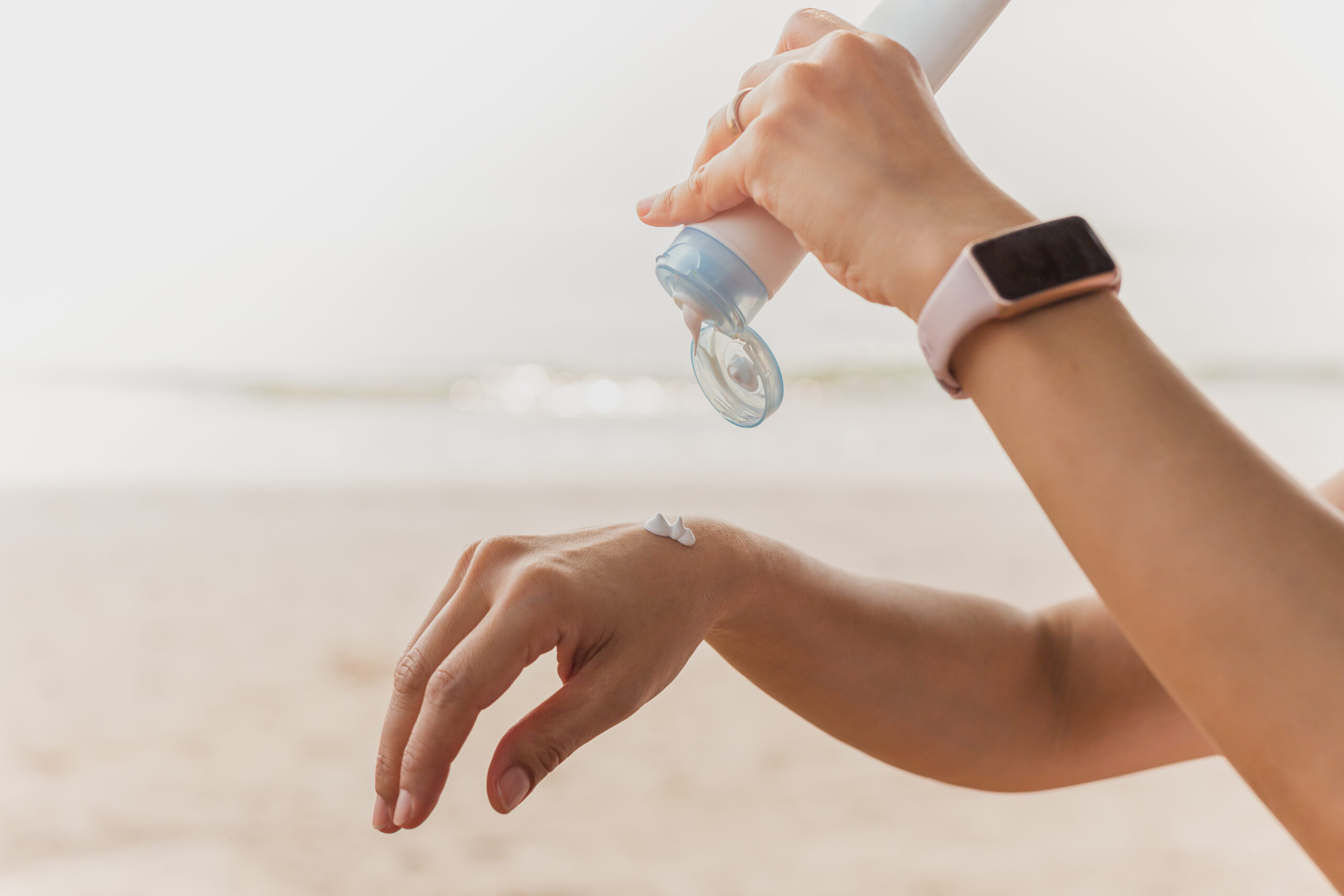
Image Attribution: “Woman squeezes sunscreen out of a tube on the sea beach UV protection” by Suwinai Sukanant, via Vecteezy, available under the Vecteezy Free License.