Maryland HB1263 proposed a workgroup aimed at studying postoperative cosmetic and body-altering services provided by nonphysician practitioners, including scope-of-practice conflicts, training requirements, patient safety, and consumer protection.
Postoperative Cosmetic Care Oversight Proposed Under HB1263
Maryland HB1263 proposed a Workgroup on Postoperative Cosmetic Care to study the oversight of postoperative cosmetic and body-altering services provided by nonphysician practitioners. The bill was first read on February 12, 2026, and the last dated action listed was a Senate committee hearing on March 24, 2026. For Med Spa operations and cosmetic recovery service models, the proposed workgroup reflected a legislative focus on scope-of-practice laws, training and education requirements, patient safety, and consumer protection.
HB1263 Outlined Proposed Workgroup Topics for Postoperative Cosmetic Care
Maryland HB1263 was first read in February 2026, received a favorable House committee report, and passed the House before referral to the Senate Finance Committee. As of this reporting, the bill has not advanced beyond the Senate committee stage or been enacted in Maryland.
The proposed workgroup outlined in the bill was intended to study how postoperative cosmetic and body-altering services provided by nonphysician practitioners were regulated or overseen in Maryland. The fiscal note stated that these services are not directly regulated in Maryland under current law.
Key topics of research previously outlined for the workgroup included:
- Current oversight of postoperative cosmetic care in Maryland
- Gaps in patient access to qualified cosmetic care providers
- Conflicts between existing scope-of-practice laws
- Risks involving unrecognized or unregulated cosmetic care practitioners
- Training and education requirements for postoperative cosmetic care
- Regulatory models from other states
- Certification, registration, or professional recognition options
- Consumer protection and patient safety recommendations
The bill text stated that the proposed workgroup was to include representatives from Maryland health and labor agencies, the State Board of Nursing, the State Board of Massage Therapy Examiners, the State Board of Physical Therapy Examiners, a cosmetic or plastic surgery physician, an acupuncturist, a patient advocate, and a postoperative care or recovery services representative. HB1263 also stated that the proposed workgroup was not a regulatory board and could not establish a licensure program without legislative approval.
Source: Maryland General Assembly
According to the Maryland Department of Legislative Services’ fiscal and policy note, HB1263 proposed creating a Workgroup on Postoperative Cosmetic Care to study oversight of postoperative cosmetic and body-altering services provided by nonphysician practitioners. The last dated update in the bill history was a Senate Finance Committee hearing for March 24, 2026.
Compliance Context for Postoperative Cosmetic Recovery Services
Although HB1263 did not advance beyond the Senate committee stage, the bill and fiscal note documented a proposed review of postoperative cosmetic and body-altering services provided by nonphysician practitioners. The Maryland Department of Legislative Services fiscal and policy note stated that Maryland has 20 health occupations boards, but this service category is not directly regulated under current law.
Support testimony in the Senate for HB1263 identified patient safety, provider training, scope-of-practice boundaries, and consumer protection as reasons for reviewing postoperative cosmetic care. Testimony also described postoperative bodywork services that were categorized as massage but described as not fitting within existing massage, nursing, esthetics, cosmetology, or physical therapy categories.
Services named in testimony included the following:
- Postoperative bodywork after liposuction, abdominoplasty, and other cosmetic surgeries
- Lymphatic drainage after cosmetic or body-altering procedures
- Specialized wound care after cosmetic or body-altering procedures
- Post-surgical trauma remodeling bodywork
- Cosmetic post-surgical edema management
- Fibrotic tissue management after cosmetic surgery
- Post-liposuction and post-undermining tissue response services
For Med Spa operations and cosmetic recovery service models, the testimony centered on service descriptions, provider roles, and whether existing professional categories aligned with the work being performed. Broader questions about Med Spa oversight have also been addressed nationally, including an American Medical Association review finding that 36 states lacked clear oversight. Related board activity has also addressed provider responsibility in Med Spa settings, including an Iowa ARNP license suspension involving PMP review failures, prescribing, and Med Spa oversight.
Practical Implications for Med Spa Recovery Service Models
- Distinguish licensed clinical care from nonclinical recovery support in postoperative bodywork, lymphatic drainage, cosmetic recovery support, edema management, or post-procedure wellness care.
- Separate Med Spa-adjacent recovery support from clinical care involving wound assessment, medication direction, complication evaluation, drain management, or surgical follow-up.
- Align postoperative recovery services with the qualifications of the professional performing the work, including massage therapy, nursing, esthetics, physical therapy, medical providers, or nonclinical support roles.
- Document service descriptions, provider credentials, patient intake information, and any stated limits on nonclinical recovery support.
- Review marketing and advertising language for claims that describe medical care, surgical aftercare, or clinical oversight outside the documented service model or licensed provider role.
What to Watch for Postoperative Cosmetic Care Oversight
As of this reporting, HB1263 has not advanced beyond the Senate committee hearing listed for March 24, 2026. Future activity to watch includes whether Maryland lawmakers reintroduce similar workgroup language or whether state boards address postoperative cosmetic care, recovery services, or scope-of-practice boundaries in future guidance.
About Spakinect
Spakinect provides compliance infrastructure and telehealth-supported supervision solutions for medical aesthetic practices. For additional information, see our website.
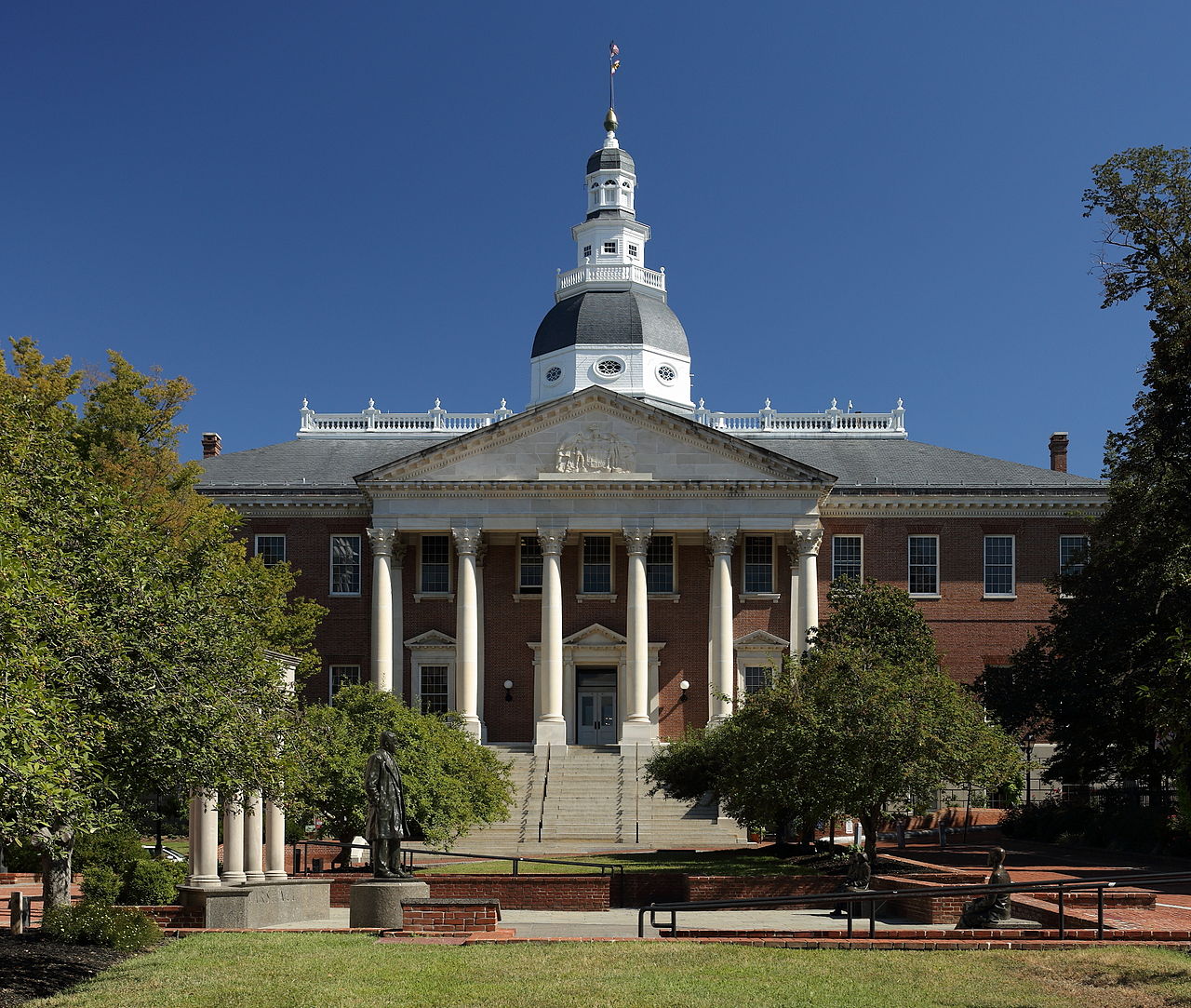
Image Attribution: Maryland State House from College Ave” by Martin Falbisoner, via Wikimedia Commons, licensed under CC BY-SA 3.0.