
California AB 1990 was ordered to third reading in the California State Assembly on May 18, 2026. The bill would add sourcing, testing, recordkeeping, and advertising-disclosure rules for certain compounded GLP-1 and weight-loss drugs used in patient-facing treatment services.
AB 1990 Advances Proposed Rules for Compounded Weight-Loss Medications
On May 18, 2026, the California State Assembly ordered AB 1990 to third reading, advancing a bill that would impose sourcing, testing, recordkeeping, and advertising-disclosure requirements on certain compounded weight-loss drugs, including GLP-1 receptor agonists. The April 23, 2026, amended version is relevant to Med Spa and weight-loss operators that source, offer, or advertise compounded medication services.
Compounded Weight-Loss Drug Proposal Covers Sourcing, Records, and Advertising
AB 1990 was introduced by Assembly Member Mike Gipson on February 17, 2026, and was last amended in the Assembly on April 23, 2026. The bill would create the Consumer Protection Compounding Act for certain compounded drugs used for obesity or weight management, including GLP-1 receptor agonists and similar drug substances.
Sourcing and Testing Requirements
Proposed Section 4157.1 would limit the sale, transfer, or distribution of covered compounded weight-loss drugs unless the compounder meets ingredient-quality and verification requirements. Those provisions address pharmaceutical-grade bulk drug substances, certificate-of-analysis documentation, quality-control testing before use, and proof that the ingredient manufacturer is FDA-registered, inspected by the FDA within the last two years, and not subject to an FDA import alert.
Recordkeeping and Board Access
Proposed Section 4157.3 would require that records related to acquisition, examination, and testing be retained and made available to the California State Board of Pharmacy upon request. The same section would authorize board inspections of covered compounders and certain entities in the ingredient supply chain.
Advertising and Risk Disclosures
Proposed Section 4157.4 would set advertising standards for covered compounded medications. The current proposed text treats an advertisement as misleading if it omits required disclosures, including, when applicable, active-ingredient risk information tied to FDA-approved drug labeling.
Penalties and Licensed Physician Provision
Proposed Section 4157.2 would set penalties that include a $1,000 fine per dose of illegally compounded drug sold, transferred, or distributed, plus license revocation when applicable. Proposed Section 4157.5 would also exclude licensed physicians and surgeons under Chapter 5 from the article, while specifying that they remain subject to other applicable law.
As of this reporting, AB 1990 remains in the Assembly floor process and has not been enacted into law.
Bill Text and Assembly Analysis
According to publicly available California Legislative Information records, AB 1990 was last amended on April 23, 2026. A May 20, 2026, Assembly Floor Analysis summarizes the amended version of the bill, which would add requirements for certain compounded drugs used for obesity or weight management and define when advertisements for compounded medications are considered misleading.
California Compliance Context for Med Spa and Weight-Loss Operators
The Assembly Floor Analysis discusses compounded weight-loss drugs in connection with ingredient sourcing, quality-control documentation, and advertising disclosures. It also notes that the California State Board of Pharmacy’s 2025 sunset review included FDA warnings about insanitary compounding activity in settings such as Med Spas and IV hydration clinics. Under AB 1990, the California State Board of Pharmacy would have inspection authority, access to specified sourcing and testing records, and penalty provisions for violations involving covered compounded drugs.
The bill also sits within broader GLP-1 enforcement activity. In March 2026, the FDA reported warning letters to telehealth companies over claims for compounded GLP-1 products that the agency described as false or misleading. Connecticut officials have also taken action involving compounded GLP-1 products advertised in Med Spa and clinic settings, including warnings and cease-and-desist letters tied to state consumer-protection concerns.
AB 1990 is most relevant to weight-loss service models that involve compounded medications, third-party pharmacy relationships, or advertising that compares compounded products to branded GLP-1 drugs. The proposal brings product documentation and consumer-facing claims into the same bill, rather than treating sourcing and marketing as separate issues.
Med Spa Operational Considerations for Compounded GLP-1 Services
- Audit GLP-1 service pages, advertisements, and patient-facing materials for claims that could imply compounded products are the same as FDA-approved branded drugs.
- Verify that pharmacy and supplier files include sourcing, certificate of analysis, and testing documentation for compounded weight-loss medications.
- Ensure consent forms and intake documents clearly identify when a medication is compounded and has not been approved by the FDA.
- Confirm that the clinical workflows document prescribing, dispensing, and patient communication steps for compounded GLP-1 services.
- Maintain internal records that document how compounded GLP-1 products are described, sourced, and communicated throughout the patient service process.
What to Watch Next for AB 1990
AB 1990 is awaiting Assembly floor action after being ordered to third reading on May 18, 2026. If approved by the Assembly, the bill would move to the California State Senate for further review. California oversight activity involving compounded weight-loss medications, advertising practices, or drug-sourcing documentation may also provide additional context as the bill moves through the Legislature.
About Spakinect
Spakinect provides compliance infrastructure and telehealth-supported supervision solutions for medical aesthetic practices. For additional information, see our website.
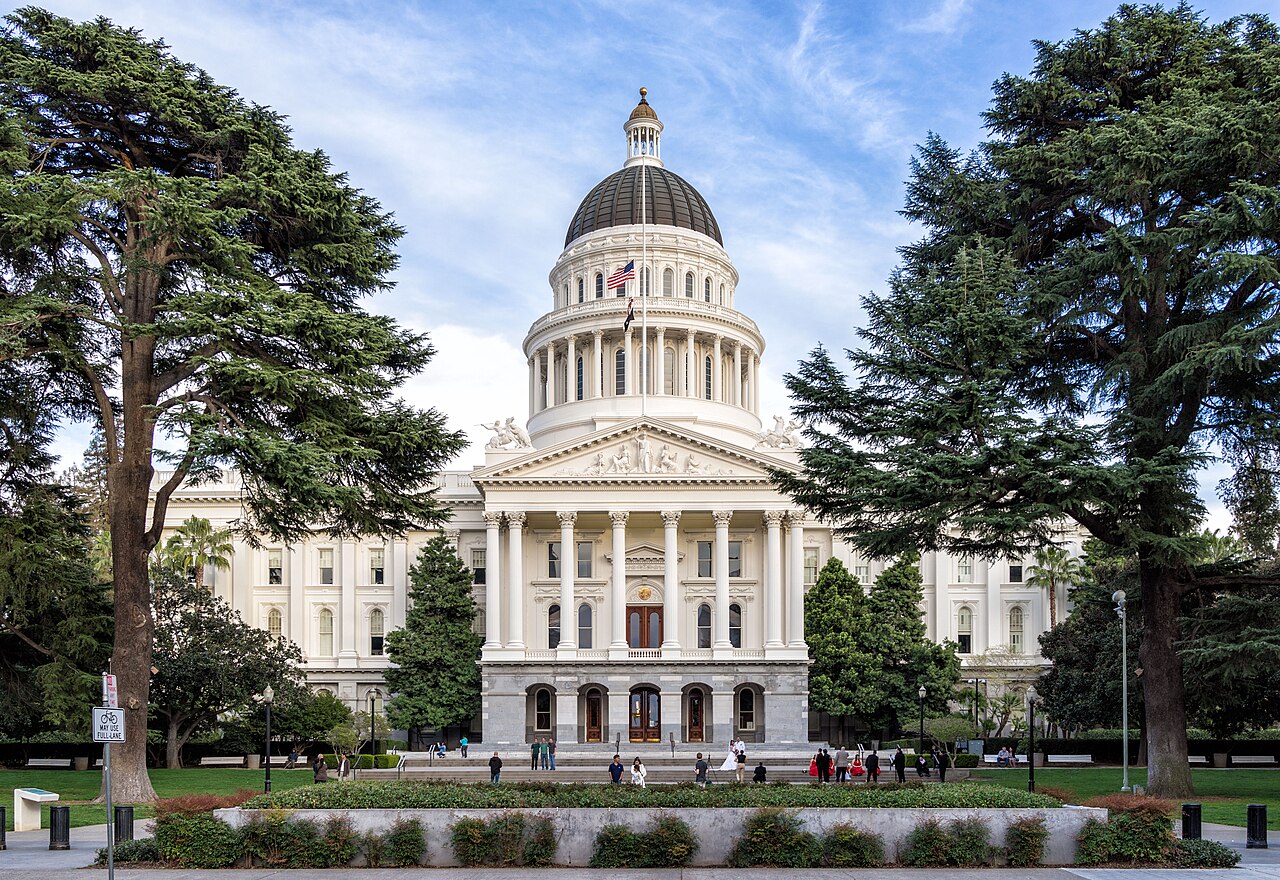
Image Attribution: “Sacramento, California—State Capitol” by Andre m, via Wikimedia Commons, licensed under CC BY-SA 3.0.