

A federal judge entered a default judgment against Texas Med Spa Alo Aesthetics after the business failed to respond to a copyright lawsuit involving a social media marketing image and allegations that copyright management information was altered.
Federal Court Enters Default Judgment in Copyright Case Against Texas Med Spa
On July 2, 2026, the U.S. District Court for the Northern District of Texas entered a default judgment against Alo Aesthetics LLC, a cosmetic Med Spa in Rockwall, Texas, in a copyright infringement lawsuit. The court awarded statutory damages, attorney’s fees, and post-judgment interest after finding the complaint sufficiently supported claims that the business used a copyrighted photograph on its Facebook and Instagram accounts without authorization and covered the photographer’s watermark. The case highlights intellectual property considerations for Med Spa marketing and promotional materials.
Court Order Details Copyright Infringement Claims Against Texas Med Spa
A July 2, 2026, court order entered a default judgment against Texas Med Spa Alo Aesthetics LLC in a copyright infringement lawsuit brought by freelance photographer Tamara Wareka, also known as Tamara Williams. Court records state Williams alleged the business used one of her copyrighted photographs on its Facebook and Instagram accounts without permission or purchasing a license. The complaint also alleges the photograph was posted after the photographer’s watermark was covered.
Court records show Alo Aesthetics did not respond to the lawsuit after service of the complaint, leading the clerk to enter a default before the judge reviewed the claims. Following the clerk’s entry of default, the court evaluated whether the complaint sufficiently stated claims for copyright infringement and alteration of copyright management information under federal law. The judge determined that the filings supported entry of a default judgment in Williams’ favor.
The court awarded Williams $13,300 in statutory damages, consisting of $10,800 for copyright infringement and $2,500 related to the alteration of copyright management information. The order also awarded $4,140 in attorney’s fees and post-judgment interest at 3.96%. The court denied Williams’ request for a permanent injunction and declined to award litigation costs through the judgment, explaining that taxable costs may instead be requested through the applicable federal bill-of-costs procedure.
Source: Texas District Court Records
According to the July 2, 2026, Memorandum Opinion and Order and Final Judgment issued by the U.S. District Court for the Northern District of Texas, the court entered a default judgment in favor of plaintiff Tamara Wareka against Alo Aesthetics LLC in a copyright infringement lawsuit. The order outlines the procedural history, the court’s analysis, and the damages awarded.
Marketing and Intellectual Property Compliance in Med Spa and Aesthetics
This Texas case highlights copyright infringement claims involving the use of a copyrighted photograph on a Med Spa’s Facebook and Instagram accounts without permission or purchasing a license. Photographs, graphics, and other creative works used in websites, social media, and advertising may be protected under federal copyright law, and their use may require authorization or a valid license from the copyright owner.
The court’s order addressed both copyright infringement claims and allegations involving the alteration of copyright management information, reflecting separate provisions of federal copyright law. This case demonstrates how marketing activities can become the subject of legal proceedings affecting Med Spa businesses.
The court order discusses the following compliance-related considerations:
- Marketing content: Alleged use of a copyrighted photograph on the business’s Facebook and Instagram accounts without authorization or a purchased license.
- Copyright management information: The complaint alleges the photographer’s watermark was covered before the image was published on social media.
Marketing activity may also overlap with regulatory or legal oversight in other contexts. For example, the Arizona unlicensed cosmetic injection arrest describes investigators reviewing online advertisements and social media as part of their investigation, while Connecticut AG GLP-1 settlements involving online platforms discuss advertising representations in connection with state consumer protection enforcement. These cases illustrate how online marketing and digital business activities may become part of regulatory and legal review within the Med Spa and aesthetic industry.
Practical Marketing and Advertising Implications for Med Spa and Aesthetic Practices
- Verify that photographs, graphics, and other marketing materials are used with appropriate permission or a valid license.
- Maintain documentation supporting the lawful use of copyrighted images across websites, social media, and advertising campaigns.
- Review marketing workflows to confirm copyrighted content and attribution remain intact before publication.
- Establish internal approval processes for digital marketing materials created by employees, contractors, or third-party agencies.
- Monitor social media and promotional content for unauthorized or outdated materials that may pose legal or operational risks.
What to Watch Next
Following the July 2, 2026, default judgment, future developments may include post-judgment proceedings, appeals, or efforts to enforce the monetary judgment. Med Spa operators and aesthetic practices may continue to monitor legal developments in marketing, advertising, and intellectual property, as digital content remains central to business operations.
About Spakinect
Spakinect provides compliance infrastructure and telehealth-supported supervision solutions for medical aesthetic practices. For additional information, see our website.
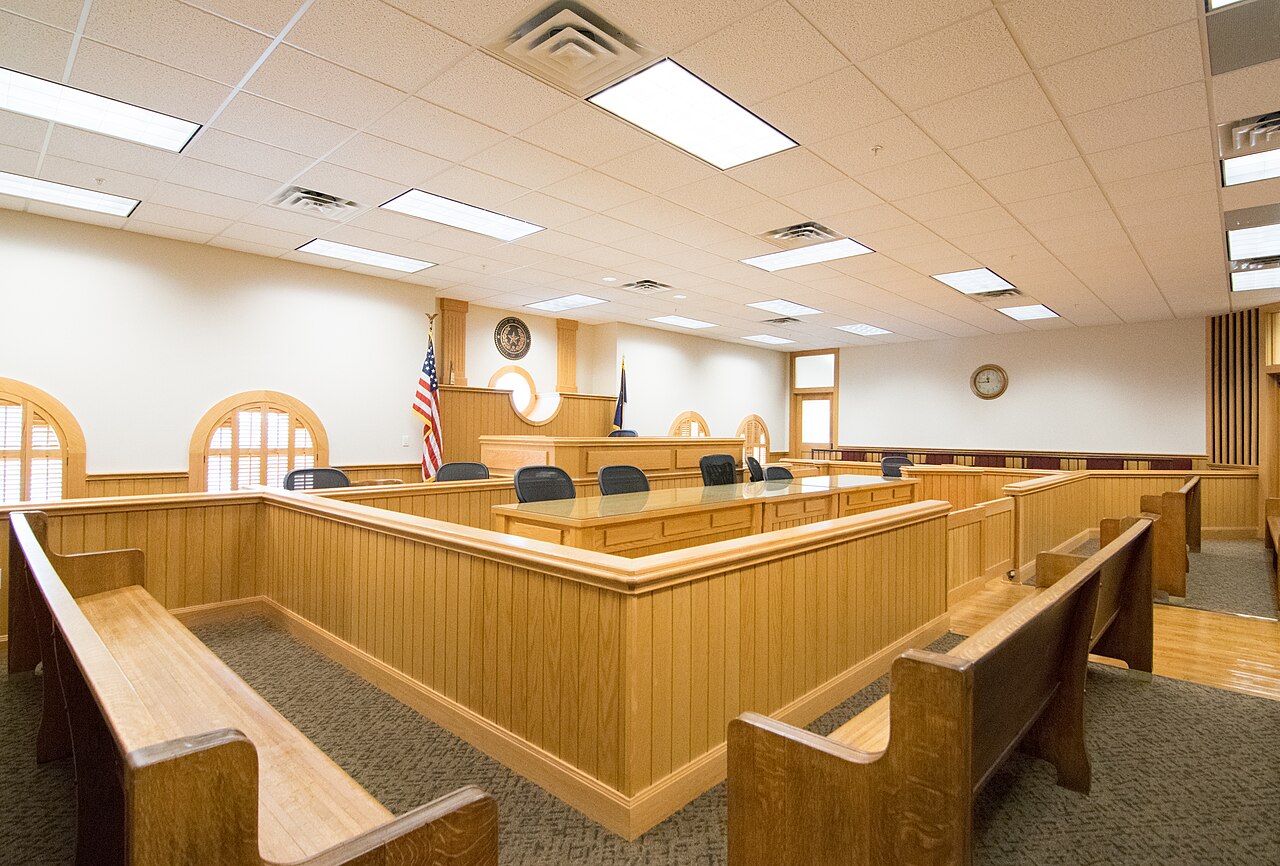
Image Attribution: “Courtroom, Robertson County Courthouse, Franklin, Texas” by Patrick Feller, via Wikimedia Commons, licensed under CC BY 2.0.