
A September 2026 Aesthetic Surgery Journal study found conditional support for live cosmetic injecting at aesthetic conferences when demonstrations include defined clinical accountability, patient safeguards, emergency preparedness, and follow-up.
Study Examines Governance of Live Injecting at Aesthetic Conferences
On September 2, 2026, Aesthetic Surgery Journal published a study examining the ethics, patient safety, educational value, and governance of live cosmetic injecting at aesthetic medicine conferences. Goodman et al. (2026) evaluated clinical oversight, patient responsibility, follow-up, and alternative teaching formats. The study highlights findings relevant to Med Spa injectors, aesthetic educators, and practices participating in injectable training.
Expert Panel Identifies Governance Conditions for Live Demonstrations
Goodman et al. (2026) used a two-stage modified Delphi process involving 31 aesthetic medicine experts and a separate survey of 218 conference attendees. The expert panel included plastic surgeons, dermatologists, aesthetic physicians, and experienced nurses. Among surveyed attendees, 93% were cosmetic injectors, 55% had more than 10 years of injecting experience, and 92% had previously watched live injecting at conferences.
The first Delphi round included 46 statements covering clinical safety, ethics and patient selection, educational value, commercial influence, and governance. In Round 2, researchers revised and reassessed statements that did not reach the predefined 70% consensus threshold.
Goodman et al. (2026) reported strong agreement on several governance measures:
- Written responsibility agreements: 93.1% supported a formal agreement among the guest injector, host healthcare practitioner, and conference organizer.
- In-person clinical oversight: 89.7% supported requiring the practitioner assuming medical and legal responsibility to be physically present.
- Patient follow-up: 93.1% supported follow-up that meets applicable regulatory standards.
- Code of conduct: Round 2 results showed 100% agreement that a code of conduct was required.
Goodman et al. (2026) also identified risks specific to conference settings:
- Performance pressure: 95.7% agreed that injecting before an audience may create performance pressure.
- Clinical decision-making: 93.1% agreed that the audience effect may influence clinical decisions.
- Modeling risk: 91.3% identified a risk that less-experienced practitioners could adopt unsafe practices after observing live demonstrations.
- Treatment conditions: 97% agreed clinicians should decline to perform live demonstrations when appropriate environmental or ergonomic standards are not met.
The authors stated that the study evaluated professional perceptions rather than clinical outcomes. It did not measure complication rates or patient satisfaction and identified possible response, selection, and geographic bias among its limitations.
DISCOVER YOUR MED SPA’S GROWTH POTENTIAL
How much time and revenue could you unlock by outsourcing your GFEs?
Use our GFE Calculator to find out in under 5 minutes. It’s quick, easy, and tailored to your Med Spa.
Source Publication
According to Goodman et al. (2026), the 31-member expert panel identified areas of consensus around the governance of live cosmetic injecting at aesthetic conferences. The study, “A Modified Delphi Study on the Ethics and Governance of Live Injecting at Aesthetic Conferences: Is There a Better and Safer Alternative?,” was published September 2, 2026, in Aesthetic Surgery Journal and is available under DOI 10.1093/asj/sjag179
Detailed Findings and Industry Research Context for Med Spa Operators
Goodman et al. (2026) concluded that support for live cosmetic injecting remained conditional. In the study’s conclusion, 69% of attendees and 76% of experts supported continued live demonstrations when appropriate clinical governance standards were in place.
The researchers noted that live demonstrations are intended to show clinical decision-making, tissue response, and injection technique in real time. However, conference settings may differ from routine practice, including stage lighting, camera positioning, audience visibility, and time constraints. Goodman et al. (2026) also described how conference demonstrations may compress treatment protocols or require altered positioning, which can affect how less-experienced attendees interpret the techniques being demonstrated.
The study also evaluated alternatives to large-auditorium demonstrations:
- 74% preferred small-group teaching involving eight practitioners or fewer.
- 81% said high-quality recorded demonstrations could provide comparable educational value.
- 82% said they would still attend conferences if prerecorded demonstrations replaced live injecting, with clinical discussion and patient assessment.
In their conclusion, Goodman et al. (2026) reported that 69% of attendees and 76% of experts supported continued live demonstrations when appropriate clinical governance standards were in place.
Related industry literature has also examined practitioner expertise alongside evolving aesthetic technologies. An IntechOpen review of ultrasound-guided cosmetic injectable procedures discussed procedural guidance, training, and clinical judgment, while a Journal of Cosmetic Dermatology letter examining agentic AI in aesthetic care addressed emerging aesthetic technologies alongside clinician oversight and professional expertise.
For Med Spa and aesthetic operators, Goodman et al. (2026) provide industry research on live injectable training and the role of clinical oversight and preparedness. The findings also address how conference conditions and teaching formats can affect the delivery and observation of aesthetic injectable procedures.
Operational Considerations for Med Spa Injectors and Aesthetic Educators
- Define responsibility for patient care, documentation, complication management, and follow-up before a live demonstration begins.
- Maintain clinical conditions appropriate for the procedure, including adequate lighting, equipment, emergency preparedness, and trained emergency support.
- Distinguish conference-adapted techniques from routine clinical practice when demonstrating procedures to less-experienced practitioners.
- Separate patient selection and informed-consent decisions from promotional, sponsorship, or conference-related considerations.
- Follow applicable licensing, registration, and professional coverage requirements for clinicians participating in live injectable demonstrations.
- Review current industry research and professional guidance on live injectable training, patient safety, and procedural education as practices evolve.
What to Watch Next
Goodman et al. (2026) recommended further research comparing live on-stage demonstrations with smaller-group, recorded, and other procedural teaching formats. Further research may provide more context on patient perspectives, complication rates, satisfaction, and clinical outcomes, which were not measured in the current study.
About Spakinect
Spakinect provides compliance infrastructure and telehealth-supported supervision solutions for medical aesthetic practices. For additional information, see our website.
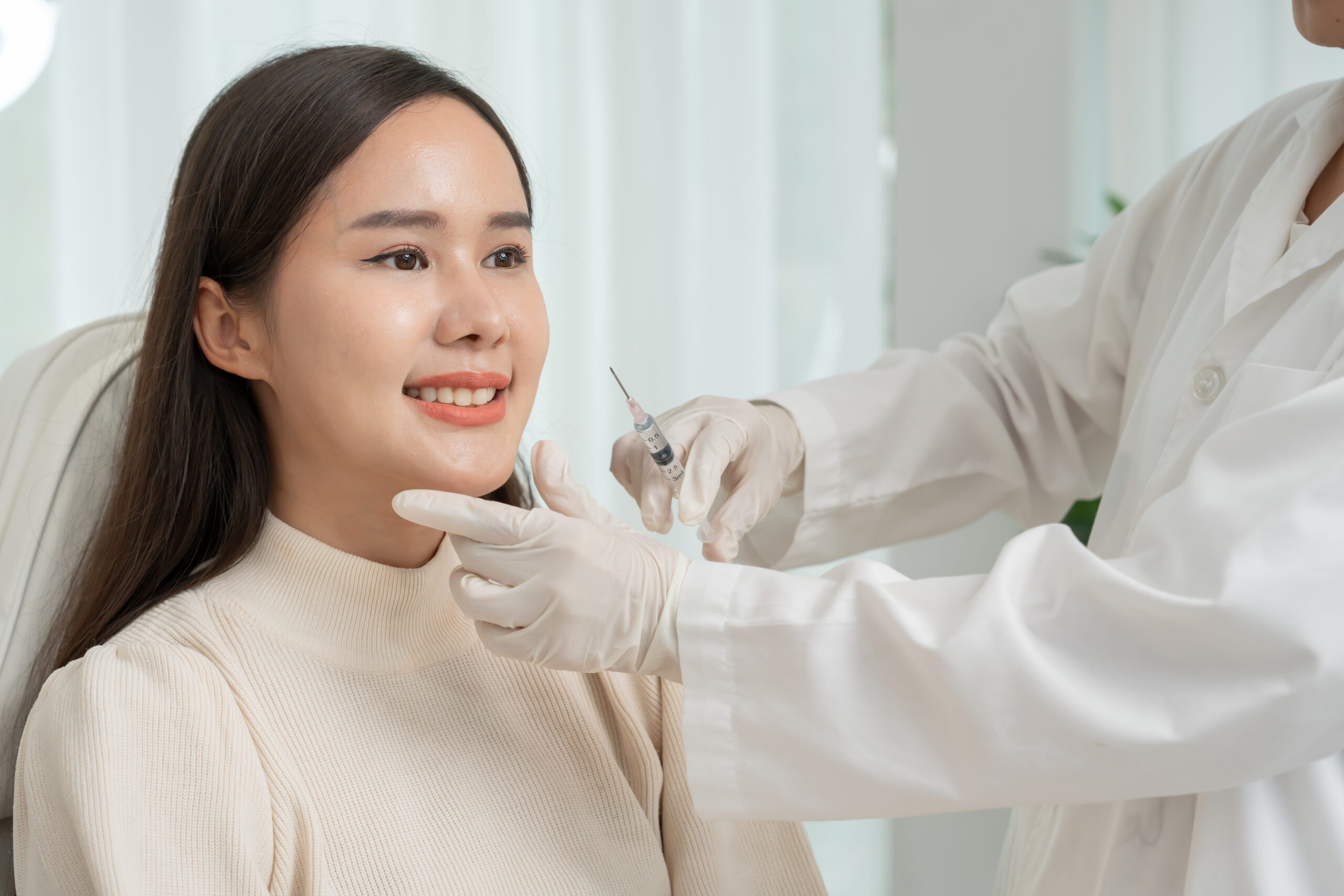
Image Attribution: “Cosmetic surgery skin whitening injection filler” by Nuttawan Jayawan, via Vecteezy, available under the Vecteezy Free License.